
The Breez Method vs. Mindfulness: Key Differences Explained
In mindfulness and meditation, the breath is often used as an anchor for attention.
Simply noticing the natural rhythm of breathing can steady the mind and help the body settle into a more relaxed state.

The Breez Method also centres on the breath, but with a different intention. Rather than observing breathing as it is, it systematically retrains your breathing to improve oxygen delivery, increase carbon dioxide tolerance, and strengthen nervous system regulation.
In this article, you will learn how the Breez Method differs from mindfulness, and why that distinction matters for focus, sleep, resilience, and long-term wellbeing.
What Is the Breez Method?
The Breez Method is a science-based breathing system designed to improve health, focus, sleep, and performance. It is built on a simple principle: the way you breathe directly affects how your body functions.
The method begins with nasal breathing. Breathing through the nose increases nitric oxide, which helps widen blood vessels, improve oxygen uptake, and support the autonomic nervous system.
From there, it develops into functional breathing. This means light, slow, diaphragmatic breathing that restores efficiency and balance.
A central focus of the Breez Method is improving carbon dioxide tolerance. Many people unknowingly overbreathe. When breathing is too fast or too heavy, carbon dioxide levels drop. This can reduce blood flow to the brain and limit oxygen delivery to the body.
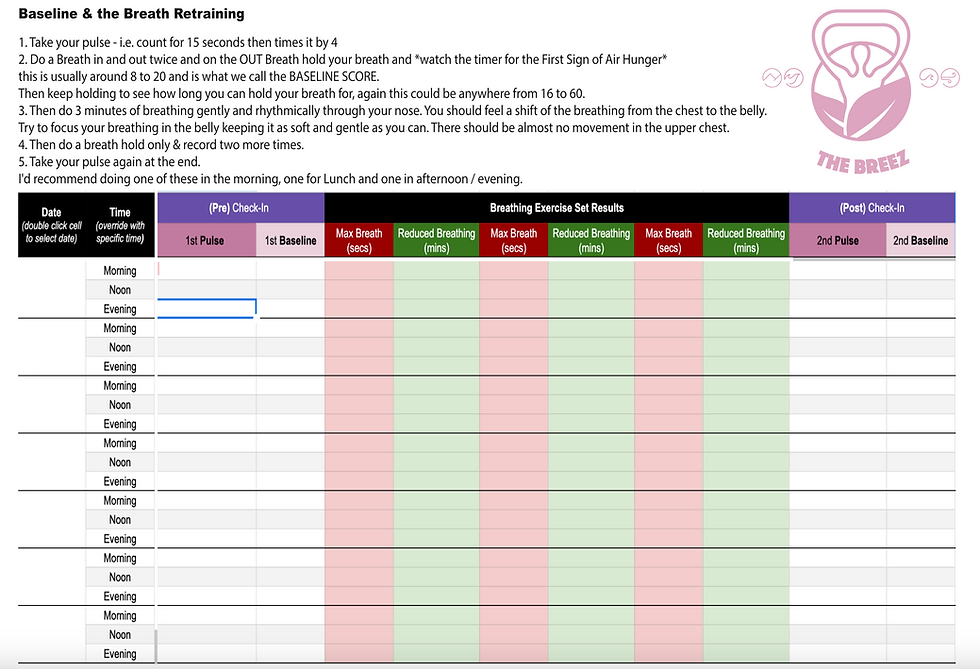
Through reduced breathing and gentle breath-hold exercises, the body adapts to healthier carbon dioxide levels.
This is where the Bohr effect becomes important. Oxygen saturation alone does not guarantee oxygen delivery. Carbon dioxide helps release oxygen from the blood into the tissues. By improving breathing efficiency, oxygen delivery improves.
The result is clearer thinking, better endurance, improved recovery, and greater resilience.
The Breez Method works through physiology first. Mental clarity and calm follow improved function.
What Is Mindfulness?

Mindfulness is the practice of present-moment awareness. It teaches you to observe thoughts, emotions, and physical sensations without judgment.
The breath is often used as an anchor. You notice the air moving in and out and gently return your attention when the mind wanders.
This supports stress reduction, emotional regulation, and improved focus. By observing rather than reacting, the nervous system can shift toward a more relaxed state.
However, mindfulness does not attempt to change breathing chemistry or retrain breathing patterns. It works through awareness and attention, not respiratory adaptation.
Although both approaches involve the breath, their mechanisms are different.
Key Differences Between the Breez Method and Mindfulness
1. Blood Flow to the Brain
One of the clearest differences lies in how each method approaches brain function.
The Breez Method supports healthier blood flow to the brain. Chronic overbreathing lowers carbon dioxide levels, which can reduce circulation.
Reduced breathing restores healthier carbon dioxide levels and improves blood flow, supporting brain function.
Mindfulness may calm the body, but it does not intentionally regulate carbon dioxide or target circulation.
2. Oxygen Delivery vs. Oxygen Intake
Many people assume that taking bigger breaths means getting more oxygen. The Breez Method challenges that idea.
The Breez Method focuses on oxygen delivery, not just intake. Carbon dioxide helps release oxygen into tissues. Higher carbon dioxide tolerance means more efficient oxygen use in the brain and muscles.
Mindfulness does not address gas exchange or oxygen transport.
3. Mental Noise and Brain Chemistry
If you often feel restless or mentally overstimulated, breathing patterns may play a role.
Chronic overbreathing can contribute to mental agitation.
By correcting breathing patterns, the Breez Method helps calm excessive neural activity and supports mental clarity.
Mindfulness reduces agitation by observing thoughts, but it does not directly influence breathing chemistry.
4. Nervous System Regulation
Both methods influence the nervous system, but in different ways.
The Breez Method uses functional breathing to actively regulate the nervous system. Breath control and gentle breath-hold exercises introduce controlled stress and train faster recovery over time.
Mindfulness promotes relaxation through awareness. It supports emotional regulation but does not deliberately train physiological adaptation.
5. Sleep
Sleep problems are often linked to a busy mind, but breathing patterns also matter.
The Breez Method retrains breathing patterns during both day and night. Light, slow nasal breathing can reduce snoring and support deeper, more restorative sleep.
Mindfulness can help reduce overthinking before bed, making it easier to fall asleep, but it does not retrain breathing during sleep.
6. Attention Training
Focus is not just about paying attention. It is about maintaining clarity under changing conditions.
Mindfulness trains attention in calm environments. You observe the breath, notice distractions, and return your focus.
The Breez Method trains attention under mild physical challenge. Reduced breathing creates slight air hunger, requiring you to stay calm and focused.
This builds concentration that carries over into real-world situations such as stress, effort, and performance.
7. Response to Discomfort
The Breez Method introduces mild, controlled discomfort through reduced breathing.
This helps the body learn that discomfort is not danger, improving resilience at a physiological level.
Mindfulness changes your relationship to discomfort by encouraging observation without judgment. The focus is on acceptance rather than adaptation.
Is One Better Than the Other?
They serve different purposes.
The Breez Method also includes an element of mindfulness.
During many exercises, attention is placed on the sensations of breathing and airflow.
This develops awareness while also improving breathing patterns, chemistry, and carbon dioxide tolerance.
Many people choose to combine both approaches.
Awareness strengthens intention, while functional breathing improves performance and wellbeing.
Both use the breath.
The difference lies in how they use it and what they train.
Key Differences at a Glance
Area: Breez Method vs Mindfulness:
Blood flow to the brain: Improves through carbon dioxide regulation vs indirect relaxation
Oxygen delivery: Enhanced vs not directly addressed
Brain activity: Calms through breathing correction vs observation
Nervous system: Trained through breathing vs relaxed through awareness
Sleep: Improves breathing patterns vs reduces mental chatter
Attention: Built under mild stress vs built in calm conditions
Discomfort: Trained physically vs observed mentally
Build Your Breathing Foundation with the Breez Method
The Breez Method is a structured system of simple exercises designed to retrain your breathing for everyday life.
It improves carbon dioxide tolerance, optimises breathing mechanics, and restores a calm, efficient rhythm.
This creates a foundation for better energy, focus, sleep, and resilience.
If mindfulness helps you notice your breath,
the Breez Method helps you improve it.
By working directly on breathing chemistry and oxygen delivery, the Breez Method produces measurable changes in how your body and brain perform, going beyond awareness alone.
Want to put this into practice?
Join my new series: The Art of Breathing, with guided Breez Method sessions to improve focus, sleep, and resilience.

Comments